Unity Summit 2026: Members Come Together to Shape the Future
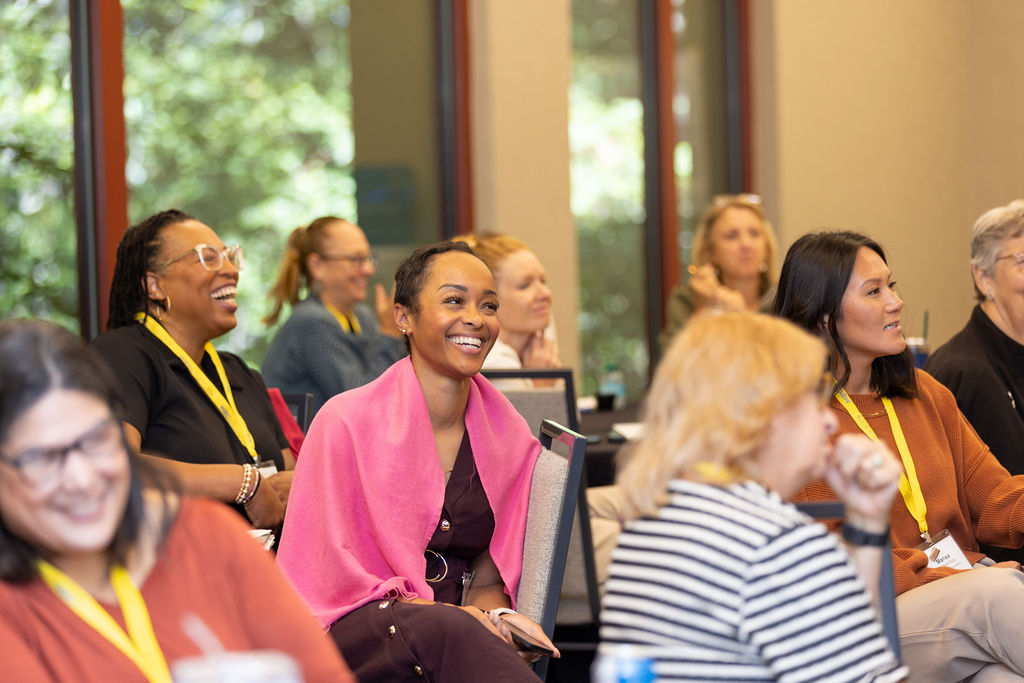
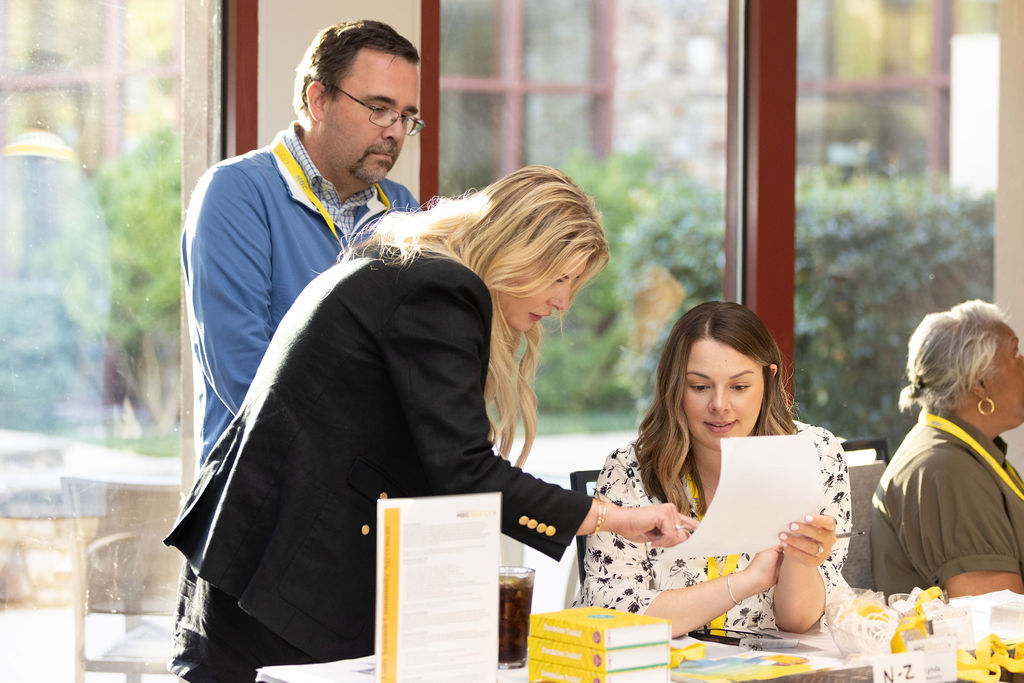
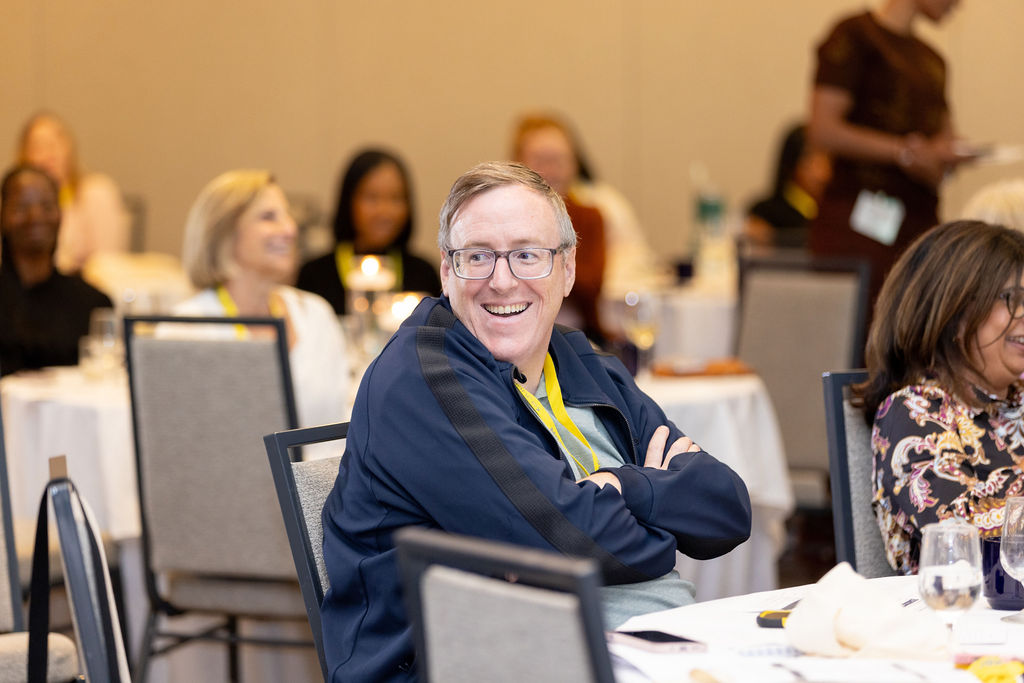
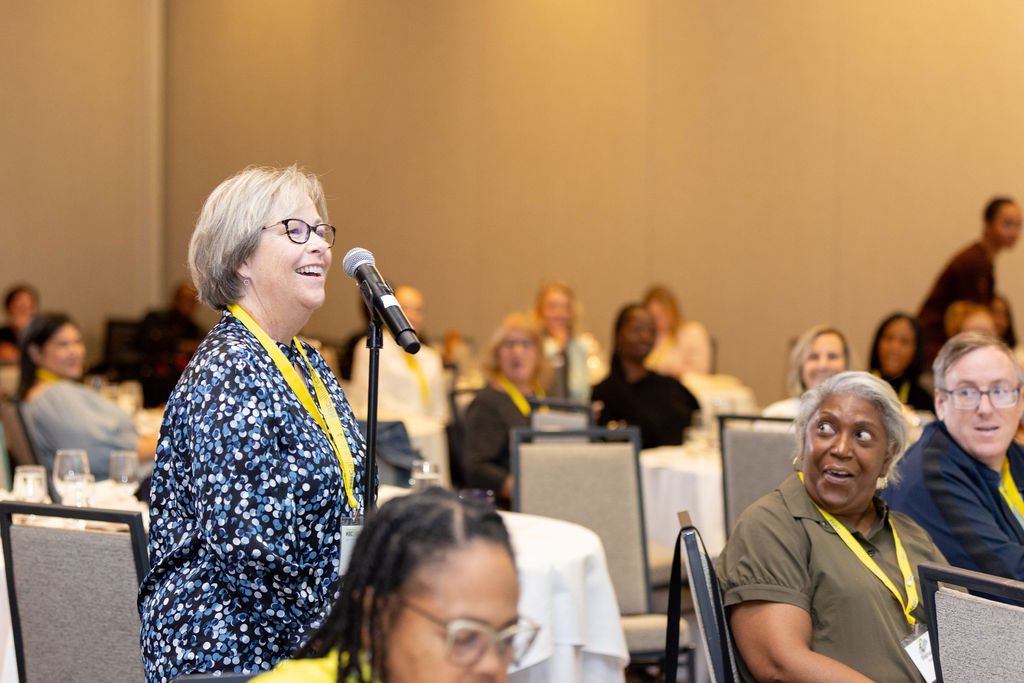
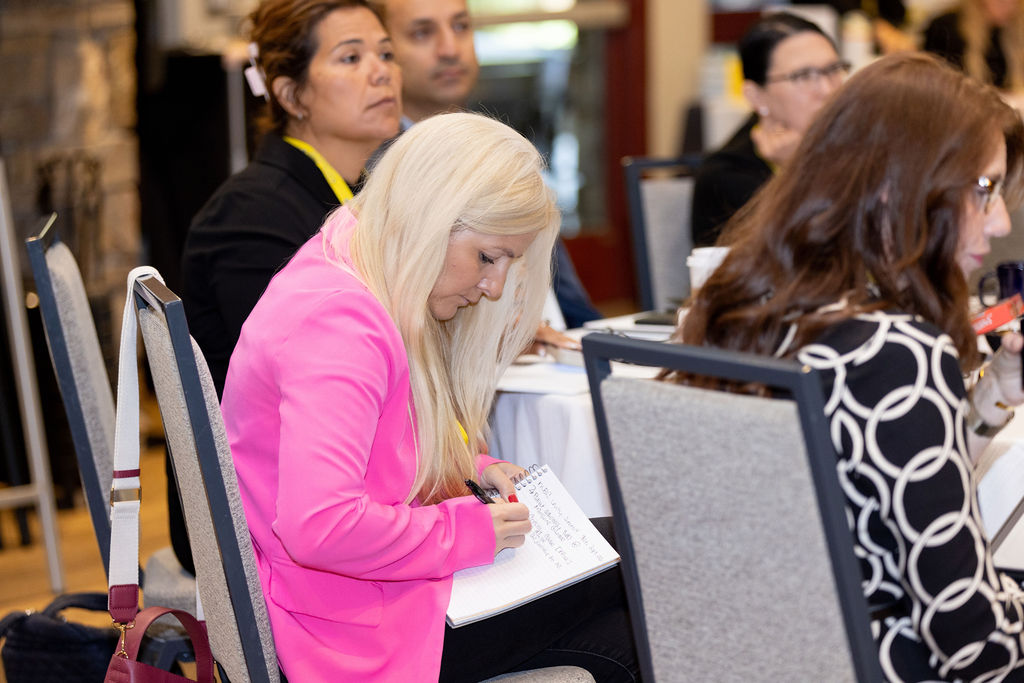
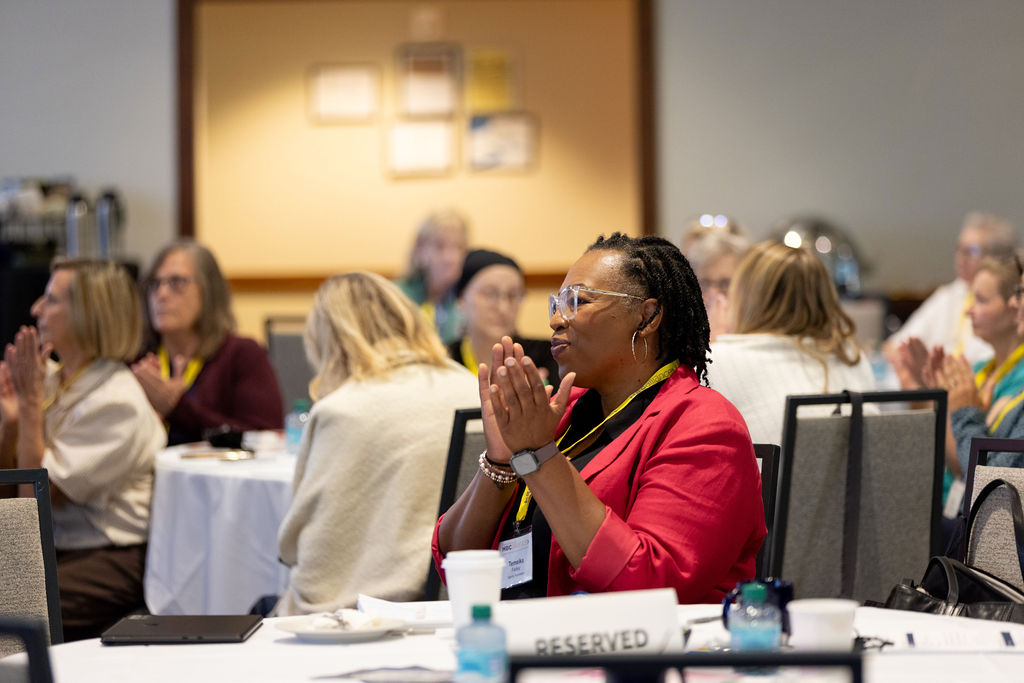
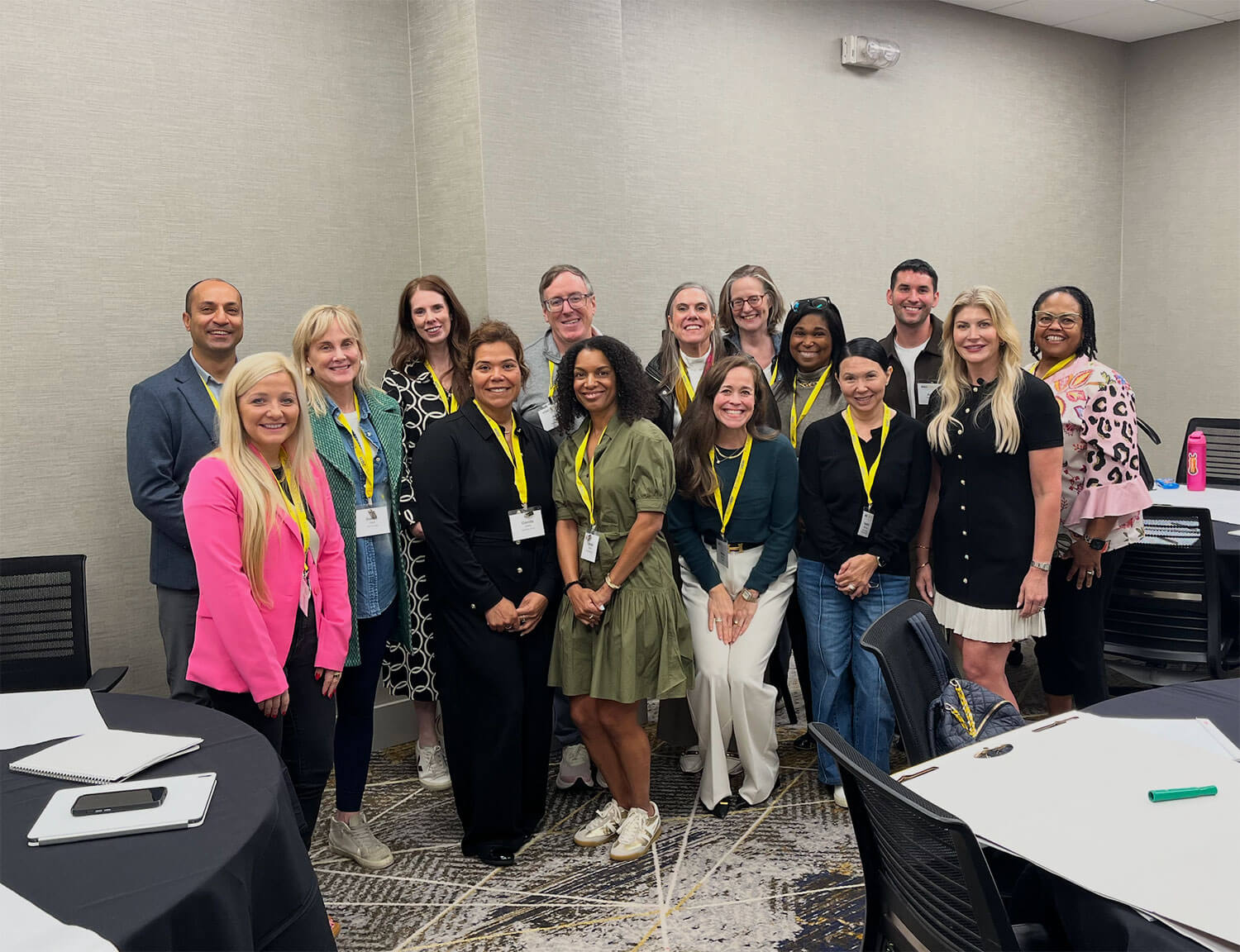
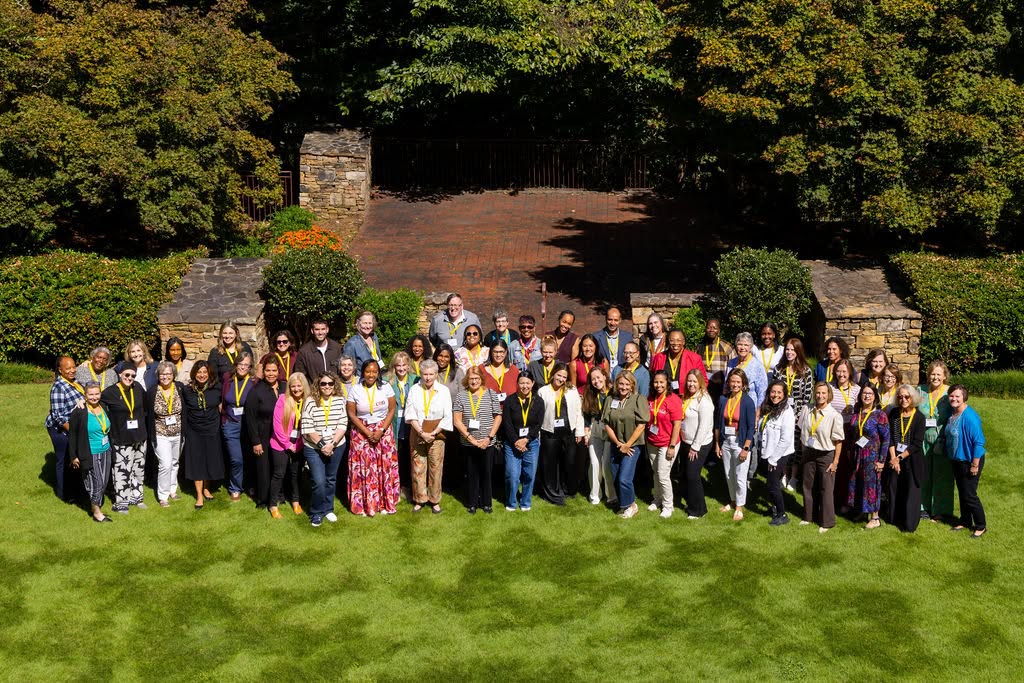
Members gathered on September 25-27 for the MBC Alliance Unity Summit 2026, a milestone event focused on collaboration, shared priorities, and the future of the Alliance. Over three days, members brought their diverse experiences and perspectives to the table to help inform an update to the Alliance’s strategic commitments and shape its roadmap for the years ahead.
The summit’s theme, “Unity is found in community,” was inspired by the words of Alliance co-founder Shirley Mertz. They captured the spirit of the gathering and the Alliance’s unique role in the metastatic breast cancer community: connecting organizations and advocates, amplifying their work, and helping them accomplish together what would be difficult to achieve independently.
Throughout the weekend, participants explored how the Alliance can build on these strengths, support greater coordination among members, and help address unmet needs through new resources, partnerships, and shared infrastructure.
Exploring New Learning
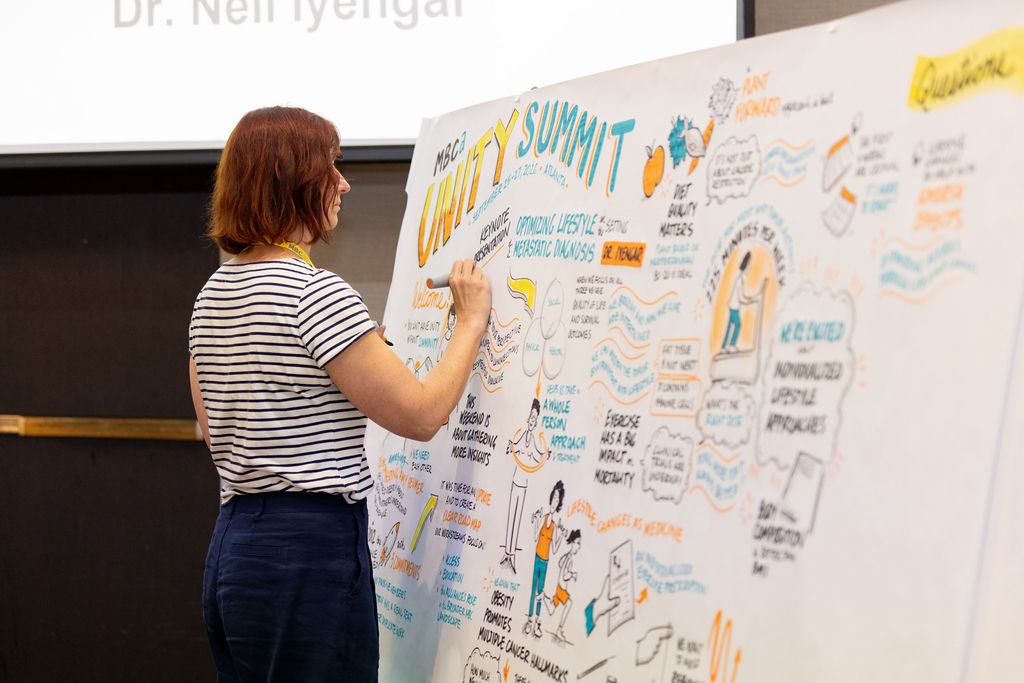
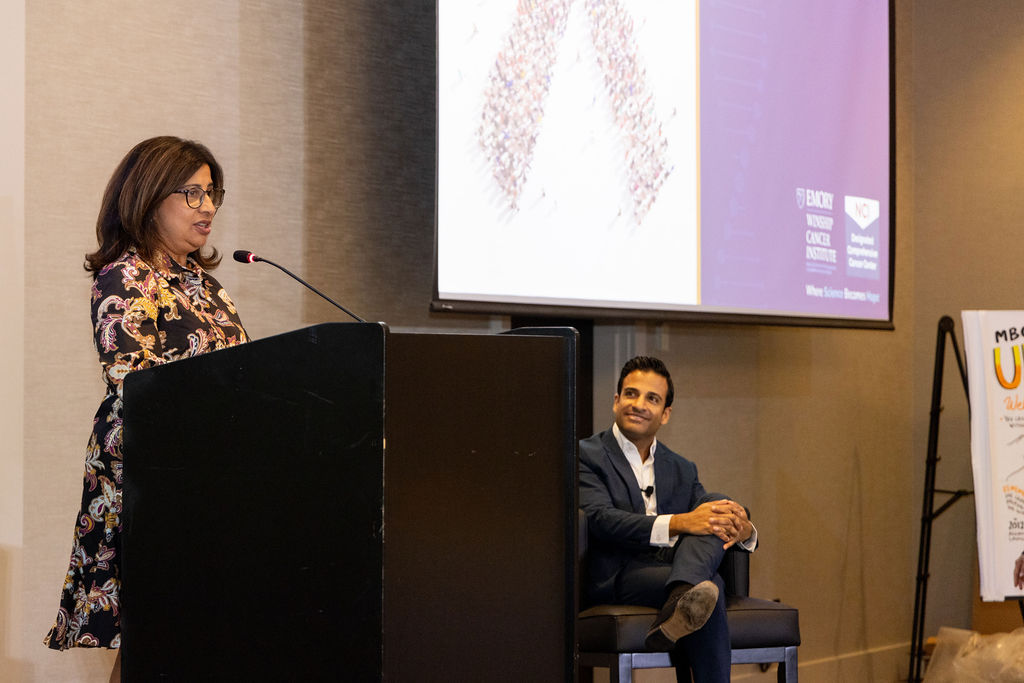
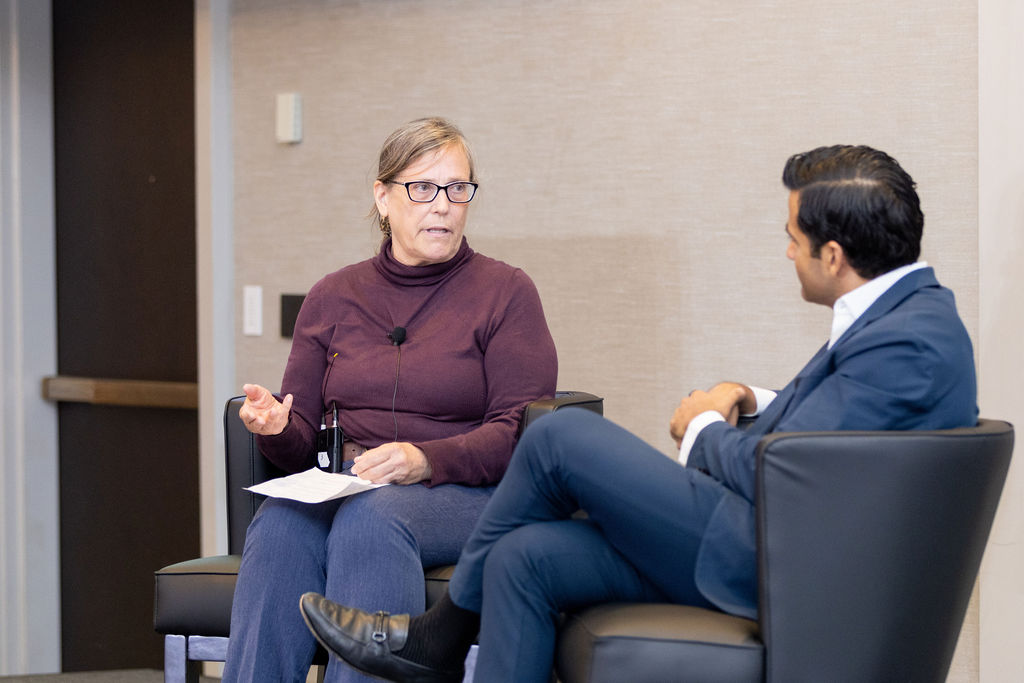
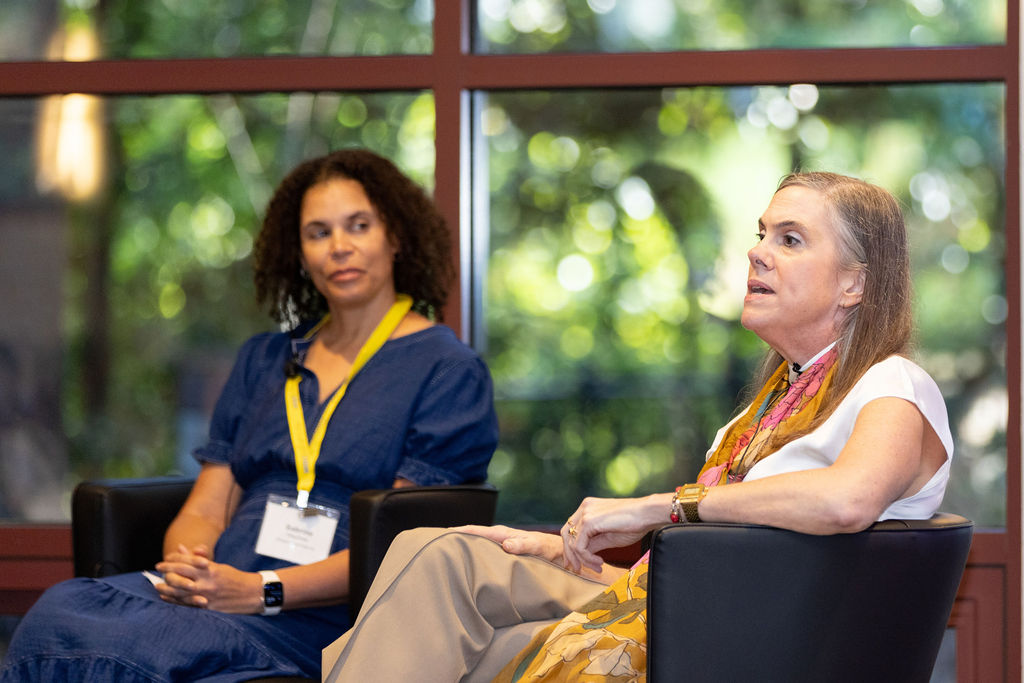
The summit opened with a keynote presentation and fireside chat featuring Dr. Neil Iyengar, who explored why optimizing lifestyle still matters after getting an MBC diagnosis.
Dr. Iyengar discussed the role of physical, mental, and social well-being in supporting quality of life and potentially improving health outcomes. He also highlighted emerging research, including clinical trials investigating optimal exercise regimens and the potential role of GLP-1 medications in weight management. These studies are exploring how lifestyle and metabolic interventions may influence the tumor environment, quality of life, and survival outcomes for people living with cancer.
The presentation provided an opportunity for members to learn together before turning their attention to the Alliance’s collective work.
Identifying Opportunities
The groundwork for these conversations began months before the summit, through summer workstreams that gathered member input and helped shape the in-person discussions. With so many urgent needs across the MBC community, participants considered a central question: Where is the Alliance uniquely positioned to make the greatest difference?
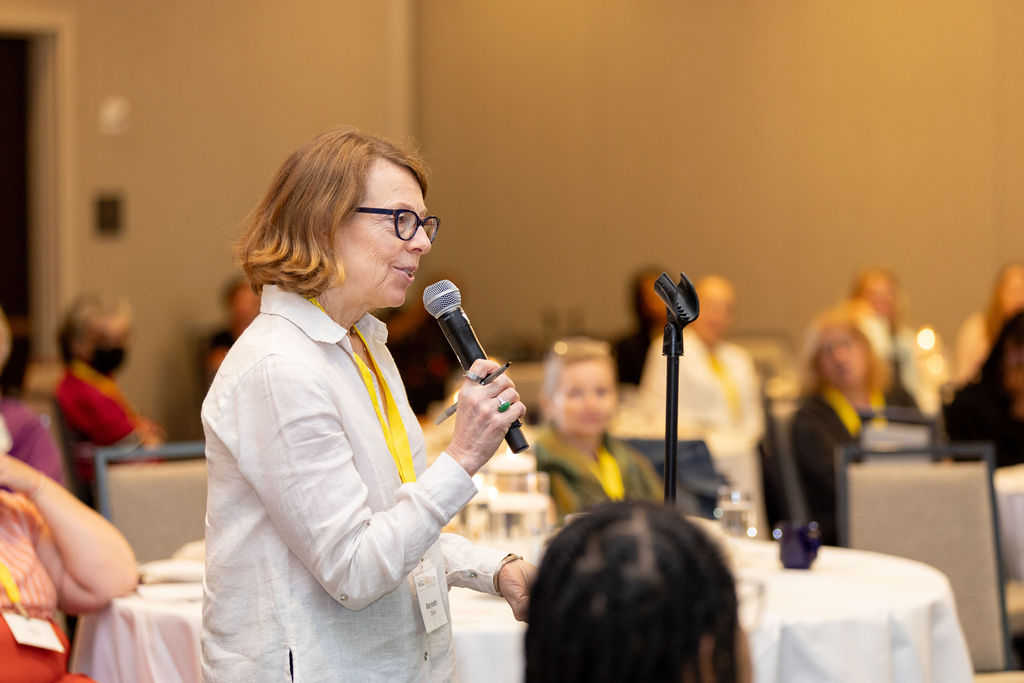
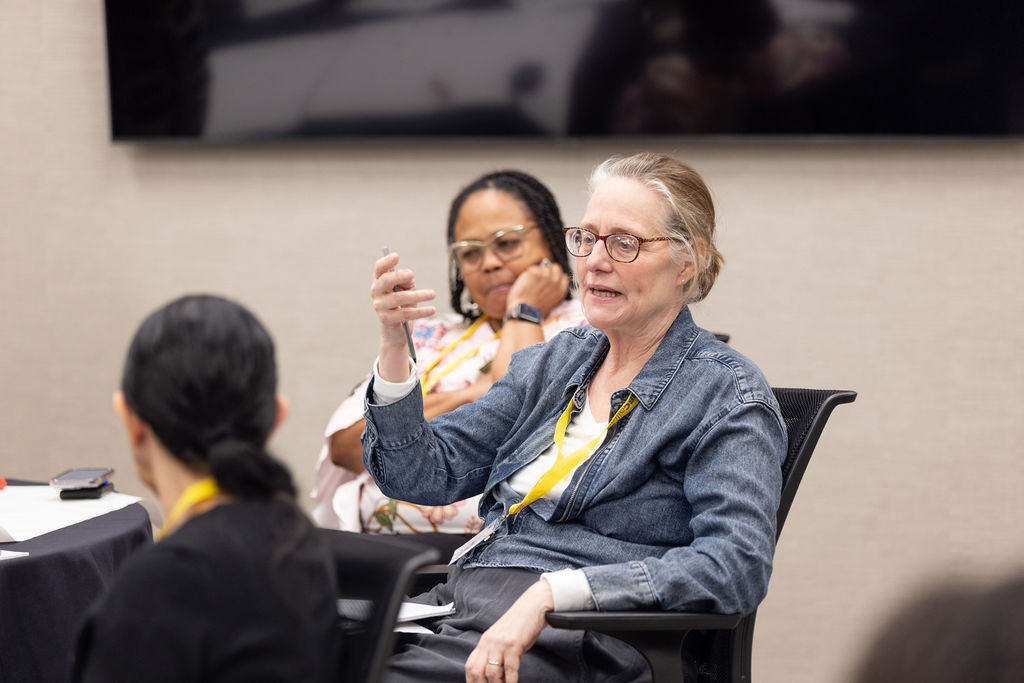
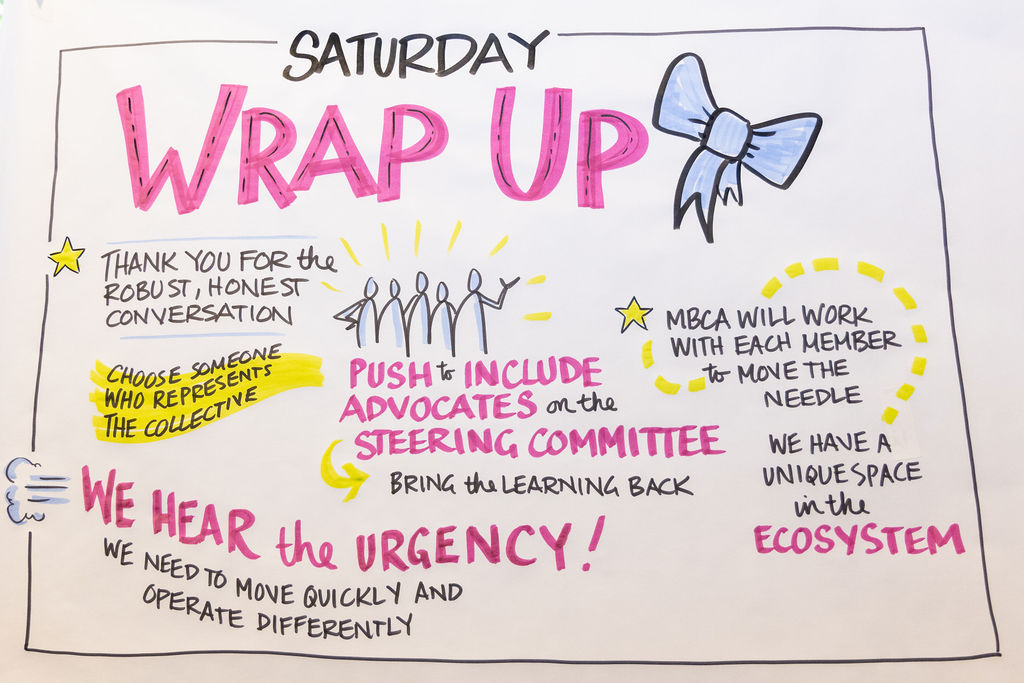
Members engaged in candid, thoughtful conversations reflecting both the complexity of the challenges facing people living with MBC and the urgency of achieving better outcomes.
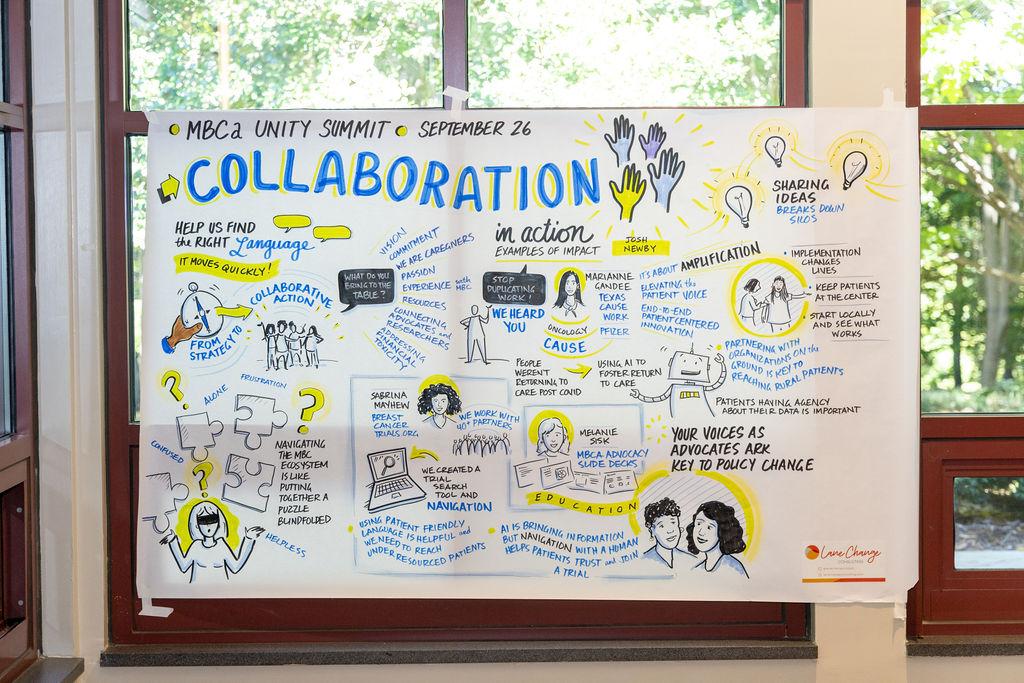
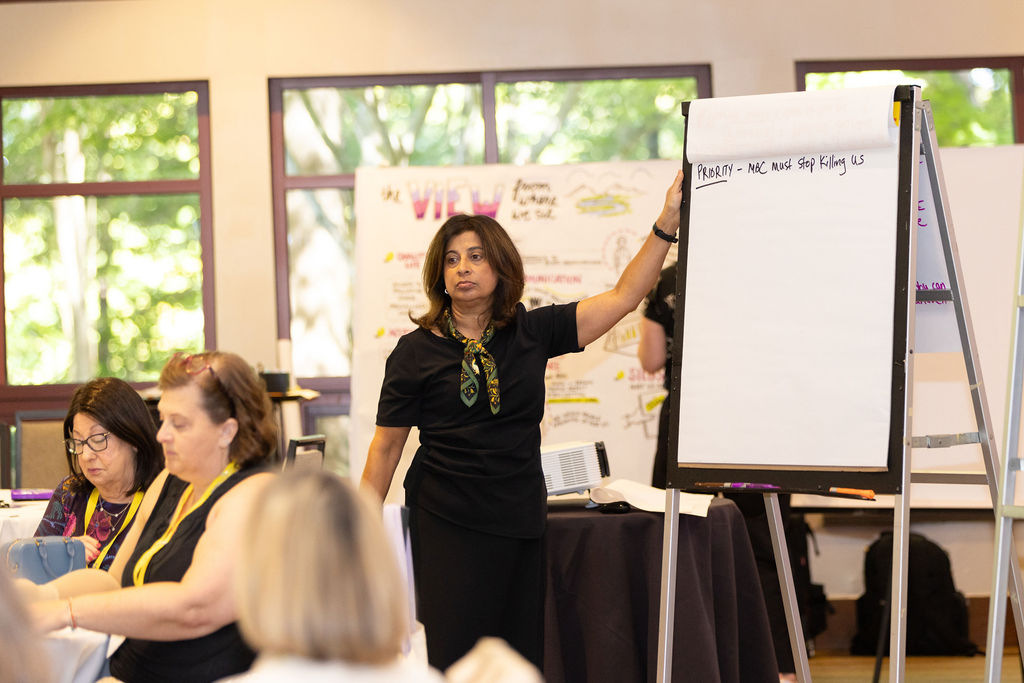
A strong thread was the need to move quickly and to ensure advocates are always at the table, with patient voices elevated to essential researchers and decision-makers. Patients can make a greater impact when involved earlier in clinical trial design, and want to see less exclusions in trials themselves. At a community level, people diagnosed with MBC still face challenges accessing state-of-the-art care, whether the challenges are financial or due to lack of education. Clinicians are part of this dynamic, as research and treatment standards rapidly change.
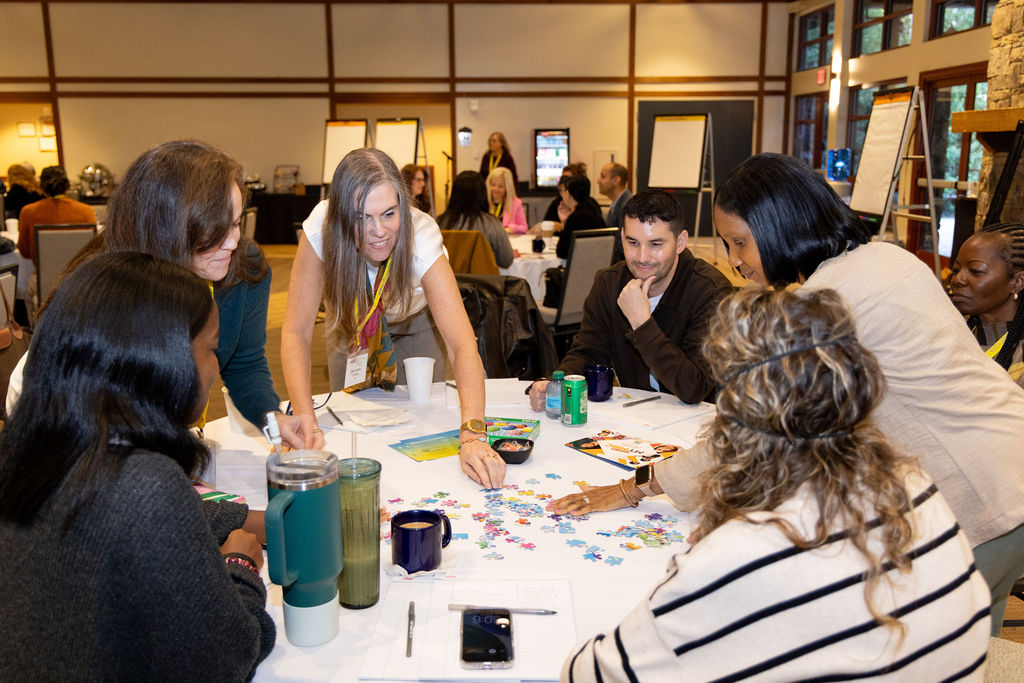
On Saturday, an interactive exercise brought the challenges of navigating the MBC ecosystem into focus. Working blindfolded, participants at each table attempted to assemble a puzzle, illustrating how difficult it can be for patients to find their way through a complex system when information, services, and resources are fragmented.
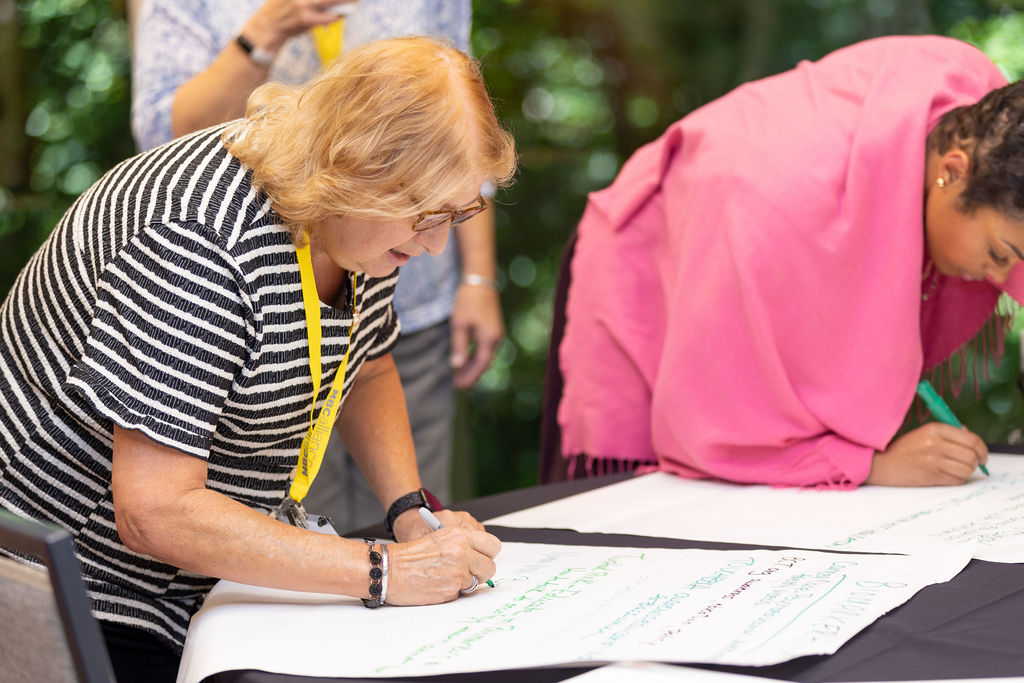
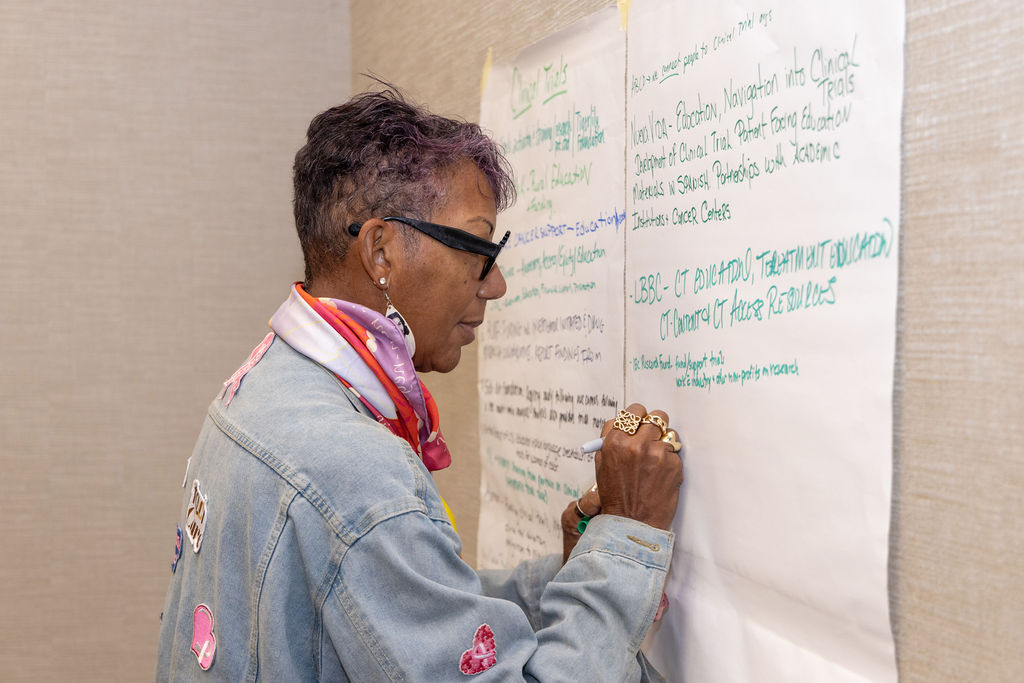
Building on that experience, breakout sessions invited nonprofit and industry participants to identify the resources already available across the community, as well as the gaps and breakdowns that prevent people from accessing them. Members with and without personal experience living with MBC contributed perspectives on where the system falls short and where greater coordination could make a difference.
Participants then worked together to develop a shared picture of the MBC ecosystem, identifying opportunities to connect existing efforts, expand their reach, and address needs that no single organization can meet alone.
Members reviewed a series of Opportunity Boards that brought together specific patient challenges, existing resources, remaining gaps, and potential opportunities for collaboration. Each board also explored how the Alliance could support progress within its strategic priorities.
Participants then joined Opportunity Groups based on the areas where they felt best positioned to contribute, beginning to define how members could continue working together beyond the summit.
Turning Shared Priorities Into Action
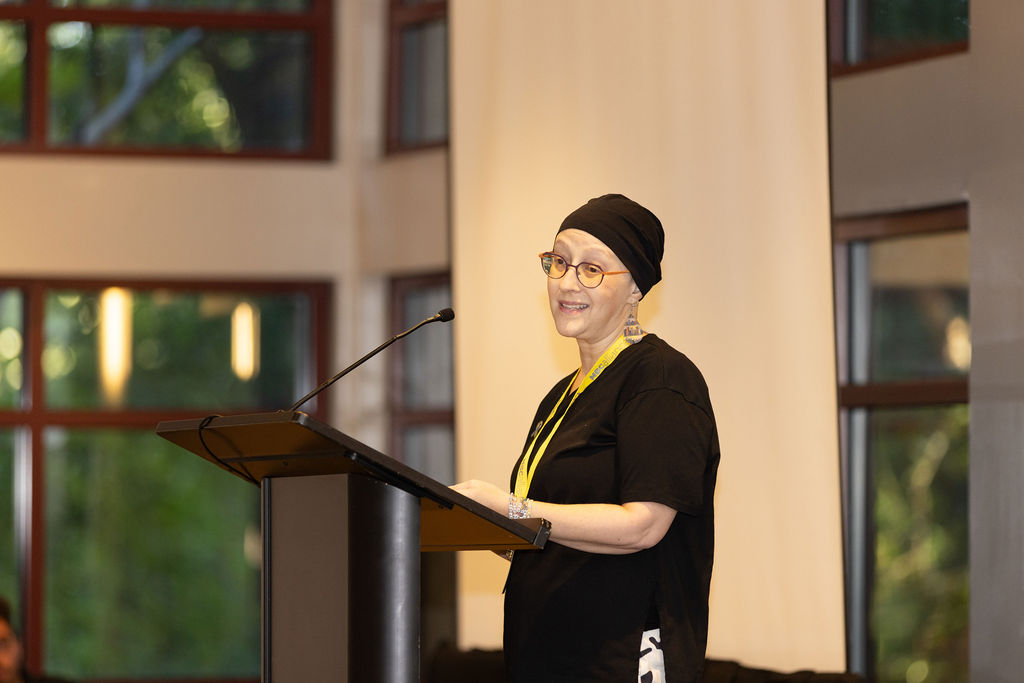
On Sunday, Executive Director Medha Deoras-Sutliff closed the session with The Road Ahead, an address that connected the weekend’s discussions with the Alliance’s history, demonstrated strengths, and future direction. Shared digitally with members following the event, the address outlined next steps for the coming 90 days and beyond.
An outcomes report documenting the summit’s work is planned for release by the end of 2026. The Alliance will also explore a partnership proposal bringing together Patient Advocate and Industry members around shared opportunities.
Moving Forward, Together
The Unity Summit reinforced the value of a connected MBC community. Across organizations, disciplines, and lived experiences, members brought distinct strengths to the conversation, along with a shared commitment to improving the lives of people affected by metastatic breast cancer.
The next step is to translate that energy and alignment into coordinated action, building on what members already do well and finding new ways for their work to have greater collective impact.
The Alliance looks forward to continuing these connections and welcoming members and partners to a reception during the San Antonio Breast Cancer Symposium this December.