Reflections from the AfroSHARE Summit: Our Visions of Health Equity
This guest post is the third in a series of reports back from patient advocates who attended cancer conferences in 2025 with financial support from the MBC Alliance. Read the first post here.
 By Stephanie Walker | MBC Alliance Vice Chair & Individual Advocate Member
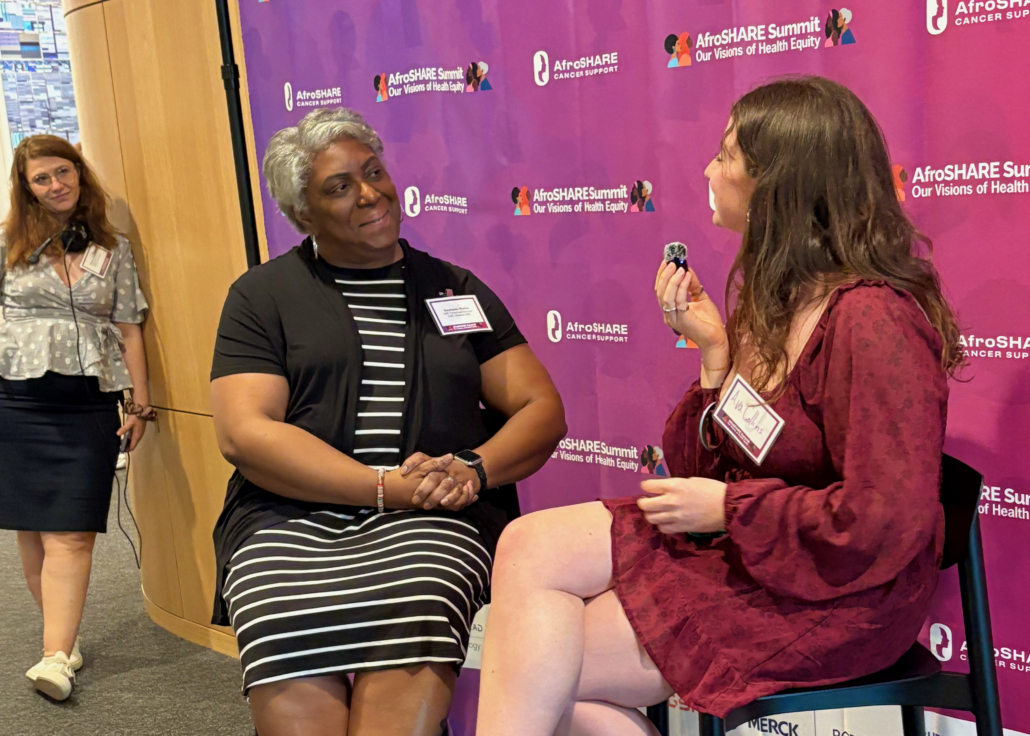
The inaugural AfroSHARE Summit was a powerful and affirming event centered on the voices and experiences of women of color who have been diagnosed with gynecological and breast cancers—across all stages. I was honored to participate as a panelist, speaking on trust and the realities of the Black patient experience.
Admittedly, I was a bit nervous. This gathering was somewhat outside of my usual circle within the metastatic breast cancer (MBC) community. But from the start, it was clear that this event was something special. It was a space filled with information, shared stories, meaningful conversations, and intentional networking.
The day began with a spiritual moment—an expression of gratitude and reflection deeply rooted in our cultural traditions. It set the tone for a day that honored survival, resilience, and growth.
As the program unfolded, we heard from SHARE’s new CEO, Heidi Henderson, who stepped into her role in December 2024. She highlighted the organization’s mission and the services they provide—support groups, webinars, and resources for women diagnosed with cervical, uterine, and breast cancers.
Each session throughout the day incorporated patient voices, and we discussed tangible actions to improve care and dismantle persistent barriers in healthcare. Although the stories shared came from different cities, systems, and personal journeys, many of the themes were consistent—particularly the struggle of not being heard by healthcare providers. It became evident that challenges around access and equity go far beyond socioeconomic status or geography; systemic issues persist across the board.
Another noteworthy observation was the diversity within the community itself—faces of color representing a rich tapestry of nationalities and ethnic backgrounds, each bringing unique perspectives to the table.
After lunch, attendees chose from three breakout sessions: Protecting Your Peace, Different Types of Advocacy, and DNA and Dignity. I attended the session on advocacy, which featured a dynamic panel of patients diagnosed with cervical, ovarian, and breast cancers, as well as a caregiver. We explored various advocacy pathways—from community-level activism to political engagement and research involvement. One key takeaway: not every patient advocate fits neatly into a single role. It’s okay to explore and find the path that best matches your passion and capacity. Speaking with seasoned advocates can help clarify the best direction for your energy.
We also delved into the topic of clinical research. The discussion was refreshingly forward-focused—rather than dwelling on past medical injustices, we asked: What can we do now? Representation in research is essential. Our bodies may react differently to treatments, and our participation ensures the science reflects our realities. It was encouraging to hear from advocates, navigators, and patients alike about how we can get involved, understand the impact of clinical trials, and help restore trust in a system that has too often failed us.
Networking was a cornerstone of the day. AfroSHARE has clearly built strong relationships across multiple communities through support services, research, webinars, and mentoring. At one of the exhibitor tables, I picked up two excellent booklets produced by SHARE:
• An Unheard Majority: How Older Women Experience a Breast Cancer Diagnosis
Both were thoughtfully presented and easy to understand, with helpful visuals and clear explanations.
I left this intimate but mighty gathering empowered, with new knowledge on gynecological cancers that disproportionately affect women who look like me and share my lived experience. The AfroSHARE Summit reminded me how vital it is to continue these conversations—and more importantly, to turn them into action.
In addition to covering conference travel expenses for our Executive Group members, the MBCA Alliance maintains a Patient Advocate Conference Scholarship Program. Applications generally open in January, with a deadline of four to six weeks to apply. If you are a patient advocate member, watch your inbox to be notified when the 2026 PACS Program opens.