
An Update from the 2025 Rally for Medical Research
 By Margaret Flowers | MBC Alliance Chair & Research Grant Program Managing Director, Breast Cancer Research Foundation
At the Alliance’s spring member meeting, we examined the potential impact of presidential executive orders that could pull back awarded National Institutes of Health (NIH) funds, stalling research and clinical trials; as well as proposed funding cuts and restrictions threatening access to vital healthcare support through Medicare and Medicaid. We came away from that meeting with urgent action items to respond to these threats. The Rally for Medical Research, along with other policy and lobbying efforts guided by Alliance members, were highlighted as opportunities to amplify the voice and lived experience of people living with MBC.
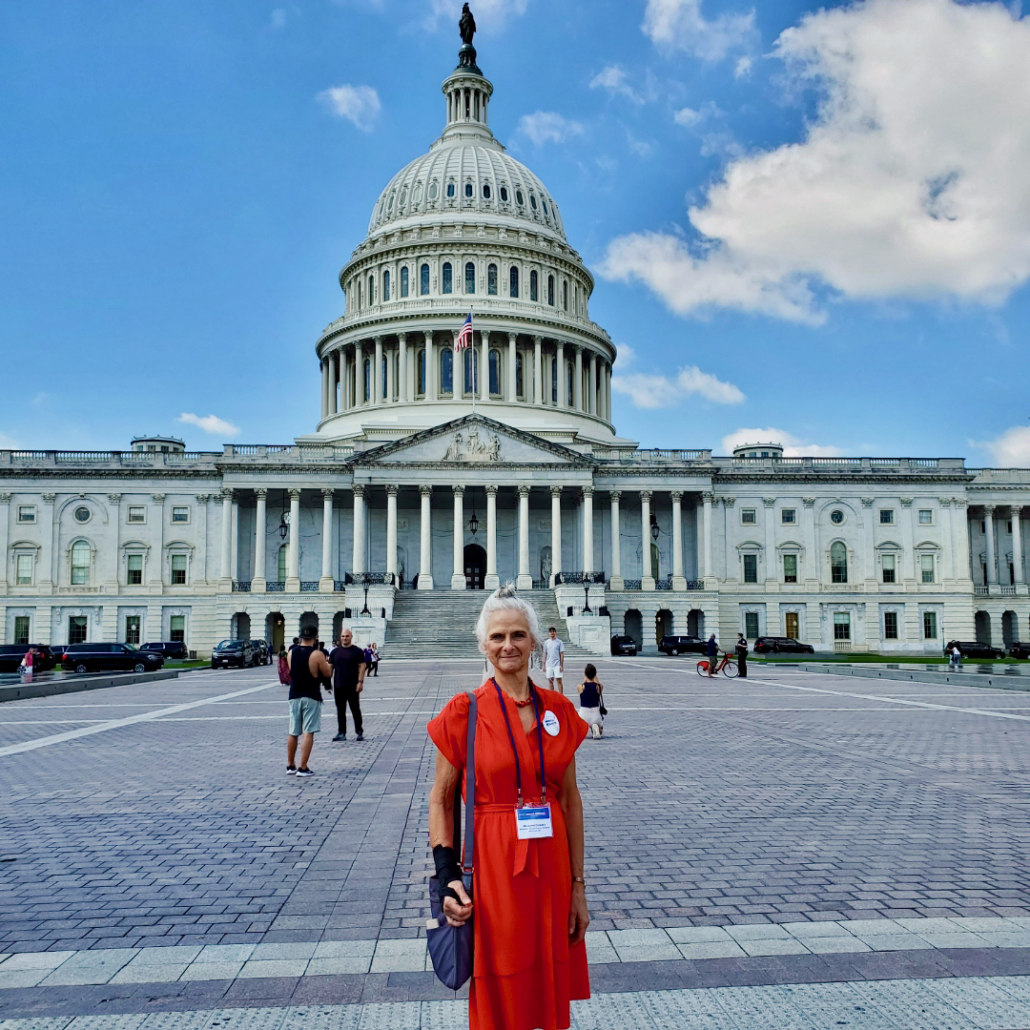
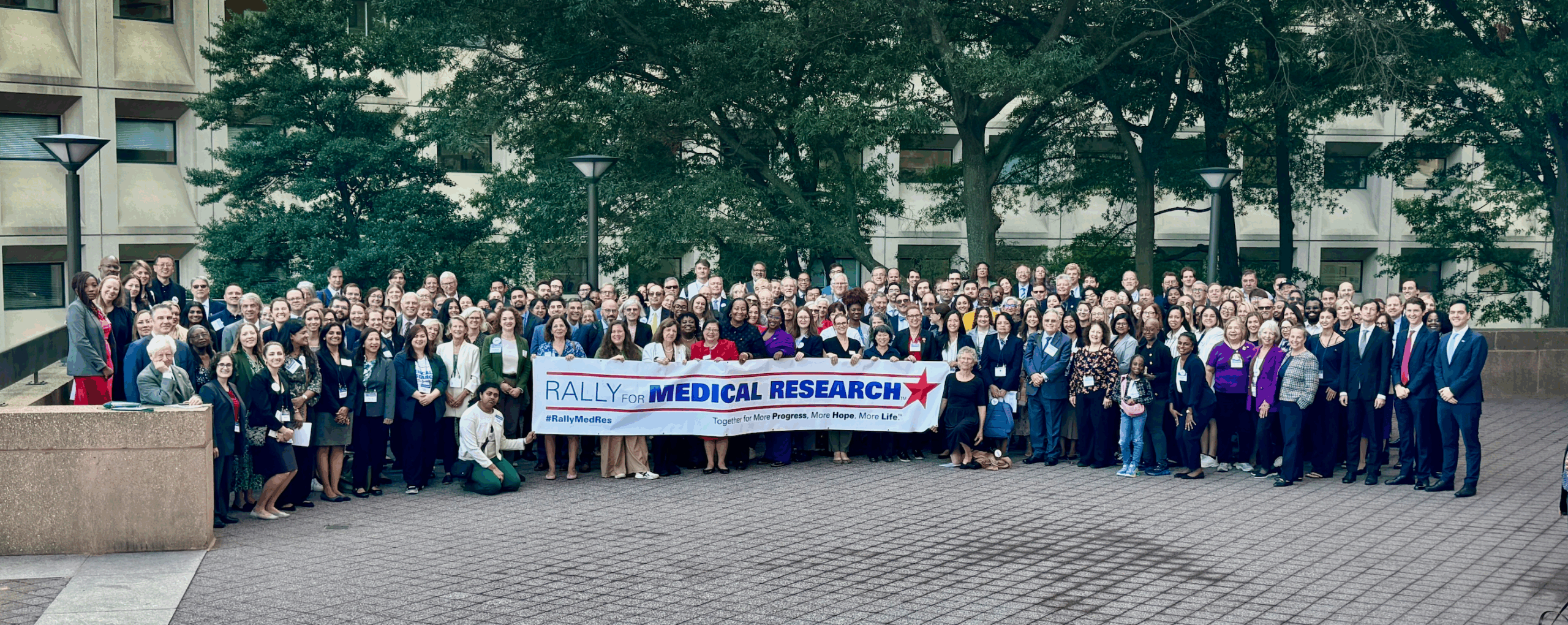
I was honored and privileged to represent the Alliance in the 2025 Rally for Medical Research Hill Day on September 18. Now in its 13th year, this year’s Rally at Capitol Hill was the largest ever, with more than 400 organizations including universities, industry, nonprofits and patient advocates coming together for one thing: to urge Congress to continue its bipartisan support of NIH funding, including releasing the $8 billion congressionally allocated for awarded grants.
The overwhelming participation this year was fueled by the White House’s proposal to slash the NIH budget by 40%, an action that would be catastrophic to the entire academic research enterprise.
This is an immediate threat to clinical trials that offer hope to people living with MBC, and the pipeline of new drugs that have yet to reach patients in clinical trials. It also jeopardizes discovery research led by aspiring young scientists and new faculty whose careers—and potential treatment breakthroughs—could be ended without NIH support. The long term impact will be to those being newly diagnosed today with their first invasive breast cancer, including an alarming number of women under 40.
In the weeks leading up to the Rally, both the Senate and House proposed NIH funding increases ($400 million from the Senate and $99 million from the House) for an FY26 budget of approx $47 billion. While far less than what is needed to sustain progress and leverage the incredible opportunities in an accelerating technology landscape—over 500 organizations recommend a minimum budget of $51.3 billion—it is a frank rejection of the president’s proposed cuts to vital research. There are distinct differences between the House and Senate bills that have been covered in the news, with the Senate bill being stronger on several aspects.
As an Arizona resident, I was scheduled to meet with AZ congressional representatives. New York, where the Alliance is headquartered, was well represented at the Rally. I was one of only three AZ constituents, joining a Weill Cornell 2nd year medical student and Phoenix native studying brain cancer, and an assistant professor doing HIV public health research at Arizona State University. While we were all rookies on the Hill, we were accompanied by a seasoned lobbying pro from the National Alliance for Eye and Vision Research who made sure we were ready for our meetings.
We met with office staff of Arizona Senators Mark Kelly and Ruben Gallego, and Arizona Congressmen Juan Ciscomani. We also dropped off folders with key messages for NIH support to other state congressional offices. It was gratifying to hear the supportive responses and commitments from staff representing both Democratic and Republican congressman acknowledging the importance of NIH-funded research—not only for the medical advancements that have improved the lives of Americans and offer hope to people living with incurable diseases, but also for the local economic impact of NIH funding, maintaining America’s prominence in medical research, and preserving national security.
We cannot be satisfied with this win—it is far from what is needed to eliminate MBC from the list of incurable cancers, and too much damage has resulted from the interruptions in funding this year, including lives lost to MBC. But in this highly polarized political environment, it is reassuring to see Congress come together in support of biomedical research.
You can contact your member of Congress through the Rally’s Legislative Action Center. The Rally for Medical Research Grassroots Toolkit has helpful information for emails, letters, social media, and more.
You can also join METAvivor’s Stage IV Stampede on Capitol Hill on October 6-7, 2025. Click here to learn more and register.
Margaret Flowers is a scientist by training and managing director of the research grant program for the Breast Cancer Research Foundation. She currently serves as Chair of the Alliance Executive Group and has been active with the Alliance since 2016.