Alliance Supports Inaugural MBC DART Symposium to Advance Collaborative Research
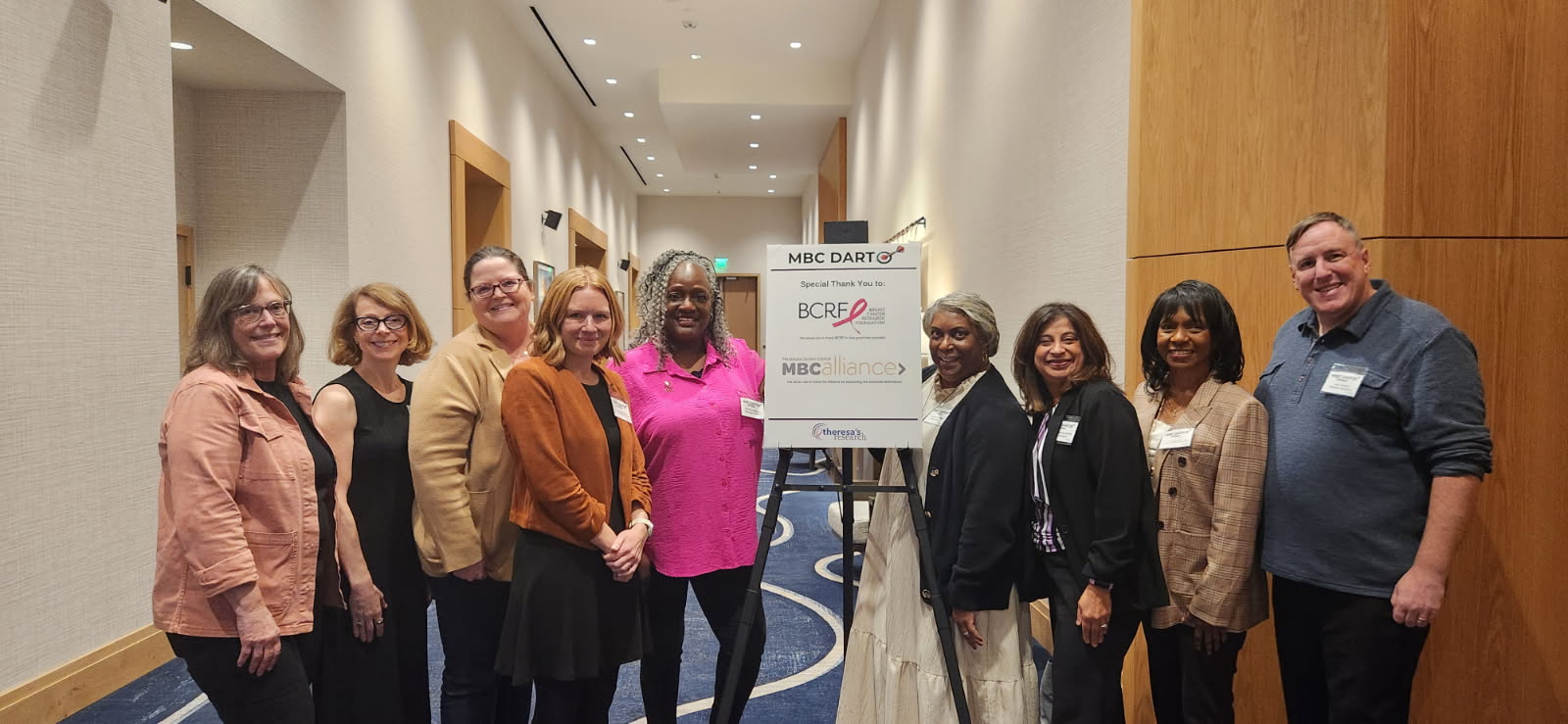
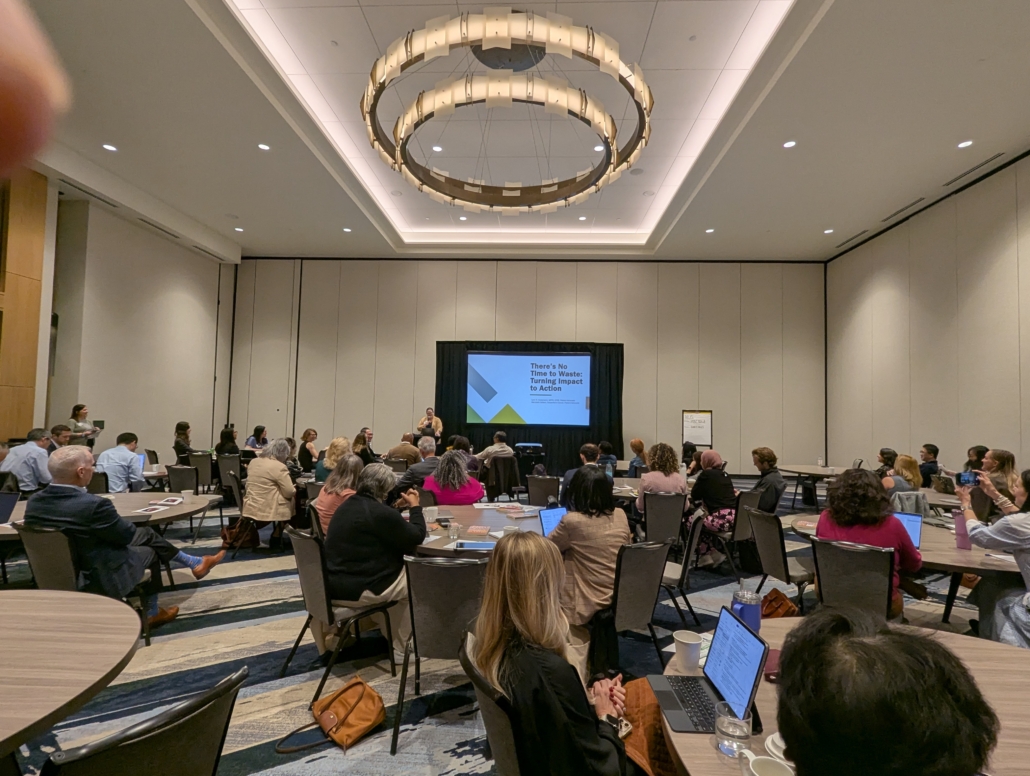
On November 13, 2025, nonprofit Alliance member Theresa’s Research hosted its inaugural Metastatic Breast Cancer: Discovery & Accelerating Research Together (MBC DART) Symposium in Texas. The Symposium brought together oncologists, researchers, patient advocates, industry and other stakeholders for sessions and workshops focused on Gene & Cellular Therapy, Clinical Trials, Therapeutics such as ADC’s, Biomarkers, CDK4/6 Resistance, Triple-negative metastatic breast cancer (TNBC), inflammatory breast cancer and commercialization.
The Symposium served as the formal kickoff of a new initiative led by Theresa’s Research that will bring together strategic partners to develop innovative research projects, with the goal of driving progress towards curative approaches. Partners include breast cancer researchers and clinicians at Baylor College of Medicine, MD Anderson Cancer Center, and UT Southwestern Medical Center, the only three comprehensive cancer centers in Texas. Additionally, Theresa’s Research has partnered with the Siteman Cancer Center Breast Oncology Program to develop new programs that support MBC patients in Missouri and Illinois.
Critically, patient advocates were active collaborators in planning and participating in the Symposium, reinforcing Theresa’s Research’s commitment to advancing inclusive, patient-centered research. The MBC Alliance was proud to support the Symposium by providing grants to cover all travel costs for six individual advocate members to attend the event, where they could network, learn and share feedback and ideas. Additionally, three experienced patient advocate members provided input for the Symposium.
“From day one, the MBC Alliance has been built on collaboration,” noted Medha Deoras-Sutliff, Executive Director of the Alliance. “Supporting this inaugural MBC DART Symposium was a natural extension of that commitment. By bringing together researchers, clinicians, industry partners, and patient advocates, we can move MBC research forward faster, and with greater impact, than any one group could on its own.”
Josh Newby, Founder & Executive Director of Theresa’s Research, expressed gratitude for the collaboration that helped make the inaugural symposium possible.
“The event would not have been possible without the dedication and insight of our patient advocates,” said Newby. “Patients are the driving force behind this work, and I believe everyone who attended left with a renewed understanding of the urgency needed to improve outcomes for people living with metastatic breast cancer.”
Dr. Diana Schlamadinger, who serves as a Director, Research Program for the Breast Cancer Research Foundation—a founding nonprofit member and fiscal steward for the Alliance—said BCRF was proud to sponsor the Symposium, continuing the organization’s longtime support of Theresa’s Research’s annual meetings.
“Collaboration is at the heart of our mission, and we’re proud to support a meeting that intentionally brings together scientists and researchers from academia and industry, as well as patient advocates, all aligned around a shared goal: accelerating progress toward curative approaches for people living with metastatic breast cancer,” said Schlamadinger.
She was also appreciative of the opportunity to participate in an event that truly centered the patient voice.
“The afternoon breakout sessions opened the door for thoughtful, honest conversations around emerging therapies, innovative clinical trial design, and effective academic–industry partnerships,” said Schlamadinger. “Participants explored real-world challenges, from collaboration roadblocks to barriers limiting treatment access, and highlighted the need for better access to shared data and educational resources. I left with new insights and meaningful connections with attendees representing diverse disciplines and perspectives, reinforcing the power of working together to move research forward.”
One such perspective came from Lynn Huelsmann, one of two patient advocates who spoke at the symposium. Huelsmann shared insights gained from her career in the nonprofit sector supporting people with severe mental illnesses like schizophrenia, exploring how the Assertive Community Treatment (ACT) model—which relies on care teams made up of psychiatric providers, nurses, specialists, peer supporters, clinicians, case managers, and team leaders—could be adapted to support people living with MBC to enhance functioning, quality of life, and social integration. Huelsmann emphasized the importance of building a coordinated care team from initial diagnosis onward, ensuring care remains person-centered, multidisciplinary, and consistent throughout an individual’s journey with MBC.
She, too, expressed her gratitude for the opportunity to connect with fellow patients and professionals who were all dedicated to finding a cure and better solutions to enhance the lives of those living with MBC.
“When I received my MBC diagnosis four years ago, I never imagined that such difficult news would also lead to unexpected blessings, including opportunities like this conference,” said Huelsmann. “Meeting so many remarkable men and women who are also facing MBC, along with the organizations they collaborate with, continues to inspire me.”
Read reports back from the MBC DART Symposium from patient advocate members Martha Carlson and Marybeth Gilliam, who attended the event with assistance from our Shirley Mertz Memorial Travel Grants Program.